
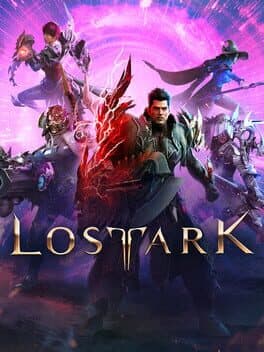
Lost Ark
About the game
Lost Ark is an isometric action RPG with the soul of an MMO: you play from a top-down view, with the fast, flashy combat of a hack-and-slash, but underneath beats the structure of a full MMORPG —dungeons, character progression and large-scale, phase-based raids. It's built by Korean studio Smilegate RPG (with Tripod Studio) and was brought West by Amazon Games in February 2022, three years after its Korean launch.
What sets it apart
Its signature is combat: reactive, spectacular and with a genuinely high skill ceiling. You pick from dozens of advanced classes, each with its own feel, pace and identity —from heavy gunnery to martial arts or summoning— and sharpen them across a sprawling campaign. But the campaign is just the lobby: the real game begins at the endgame, where the boss design shines in the Legion and Kazeros raids, phase-based fights that demand tight coordination, memorized mechanics and a lot of item level.

How you pay: free to enter, costly to rush
Lost Ark is free to play, with no entry fee and no subscription: anyone can download it and play the whole campaign without spending a cent. The bulk of the monetization lives in a cosmetic shop (skins, pets, transmog) and in convenience and progression items. You buy Royal Crystals with real money, redeemable for Blue Crystals —the bridge to the in-game gold market— plus season passes (Ark Pass), upgrade materials and Mari's daily shop.
The long-standing flashpoint is honing, the upgrade treadmill that raises your item level: it hinges on RNG, and those materials can be sped up by paying. The community describes it more as pay-to-fast than pure pay-to-win —there's no paywall to start— though the debate stays heated. There are founder's packs and the odd cosmetic edition, but the core of it is this: getting in is free; keeping pace is not.

Current state: live, supported and thinner
The game is live and actively supported. Its endgame arc centers on the Kazeros raids (Aegir, Brelshaza and later acts, at high-end item levels), and recent seasons added an Extreme difficulty with a single weekly attempt, the Warpweaver class, server merges to regroup the population and a new Paradise season, after earlier classes like Dragonknight. The population, however, is far from its peak: from the ~1.3 million concurrent players of February 2022 it dropped to a few thousand on Steam, with brief spikes around each major patch. An important detail for its future: despite the mass layoffs at Amazon Games in late 2025, the studio confirmed it is still maintaining Lost Ark with a roadmap for 2026.
Who it's for (and who it isn't)
If you're after high-ceiling co-op action —bosses you learn, classes you master and raids that feel like a genuine team test— Lost Ark remains a benchmark for the genre, and free to try on top of that. It's a game that rewards persistence, coordination and a willingness to dig into its systems.
But let's be honest about the downsides. The grind is heavy and repetitive, and honing with its RNG can frustrate even the most patient player and push hard toward the cash shop; anyone who hates pay-to-progress systems will hit a wall. Add a shrinking population that lengthens queues and makes forming groups outside peak hours harder. Lost Ark shines in its combat and boss design, and stumbles in its grind and monetization: getting in costs nothing, but staying —and keeping up— asks for time, patience and, very likely, money.
Screenshots
Artworks
Videos
Related news
No news for this game yet.